2026-11-28 ·
Why Your Water Heater Runs Out of Hot Water Faster in San Antonio's Summers
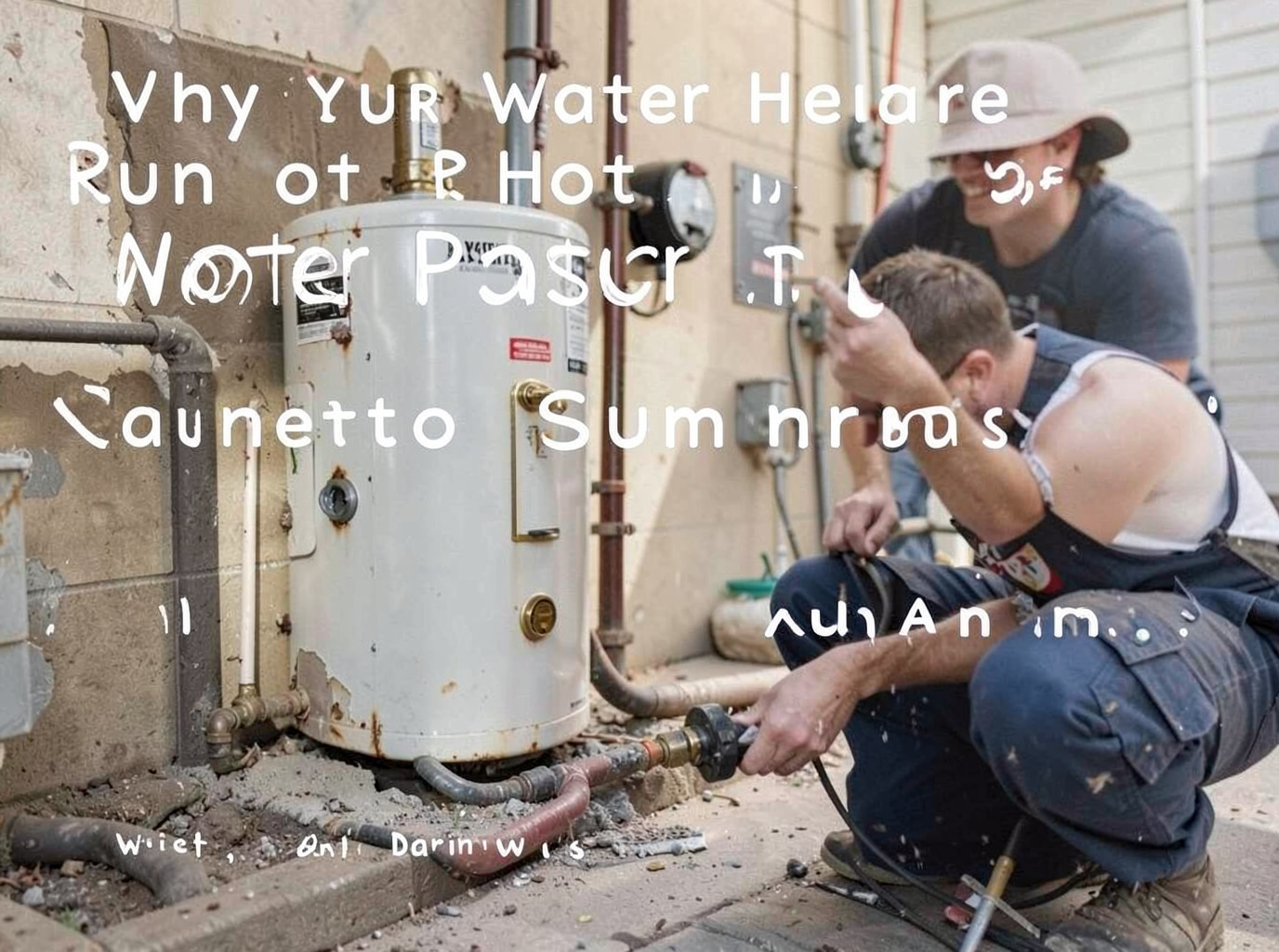
In most San Antonio homes, a water heater runs out of hot water sooner in summer because the heat around it and the water feeding it change the way the tank works, not because the summer sun has shrunk the tank. Once temperatures climb past the 90s, several things stack up at once: the garage or attic housing the unit runs hot, sediment settles faster in the tank, and households draw more hot water for longer showers and extra laundry. A unit that was barely keeping up in spring can come up short by July, and that gap is usually a sign of an existing problem rather than a sudden failure.
Why Summer Heat Strains a Water Heater
San Antonio summers are long, and the heat builds up well into the evening, which means the space around your water heater rarely cools off overnight. A tank sitting in a garage in Alamo Heights or an attic in King William loses heat through its walls all day, and the heater has to fire more often just to hold its set temperature. That constant cycling leaves less stored hot water available when a shower starts. Many homeowners notice the problem in the evening, when the day's heat has already pushed standby losses higher and the family is drawing hot water at the same time.
The heat also changes how often the burner or elements run. When the ambient air is already warm, the heater reaches its setpoint more quickly, but it also shuts off and restarts more often. Each restart is a small part of the cycle that wears components, and a thermostat or heating element that was already weak can fail to hold temperature under this kind of steady workload. What looks like a capacity problem is often a heater that has been quietly losing efficiency for months.
Hard Water and Sediment Buildup
San Antonio water is hard, drawn largely from the Edwards Aquifer that supplies much of Bexar County, and hard water leaves mineral deposits behind when it is heated. Those deposits settle on the bottom of the tank as sediment, forming a layer that insulates the water from the burner or elements. The heater then has to run longer to reach the same temperature, and less hot water ends up available at the tap. Sediment also takes up volume inside the tank, which means the usable hot water supply shrinks even though the unit itself is the same size.
Summer makes this worse because the heater works harder and the water is already warm, which speeds up mineral separation. Homes with older tanks, or units that have never been flushed, are the most affected. A rumbling or popping sound during heating is a classic sign that sediment has hardened into a layer the burner is trying to boil through. Flushing the tank once or twice a year is one of the most effective ways to restore lost capacity, and our water heater repair team can show you the sediment it has collected before any work begins. For a step-by-step approach, our water heater maintenance checklist for San Antonio homes covers flushing and valve testing in plain terms.
Signs Your Water Heater Is Failing
Summer strain can reveal a unit that is close to the end of its service life, so it helps to know what to watch for before a shower turns cold halfway through. Common warning signs include:
- Hot water that runs out noticeably sooner than it did last year
- Water that takes longer than usual to turn warm at the tap
- Rumbling, popping, or hissing sounds coming from the tank
- Rusty or discolored hot water, especially in the first minutes of use
- Water pooling around the base of the heater or dripping from the relief valve
- Lukewarm water even after the thermostat has been adjusted
Any of these symptoms can point to sediment, a failing heating element, a worn dip tube, or a leak that needs immediate attention. Water pooling near the base is especially important, because it can signal a tank that has started to fail or a supply line that has begun to leak. If you see moisture on the floor of a utility closet or garage, shut off the water supply and contact us so we can locate the source before the damage spreads.
When to Bring In a Professional
A maintenance flush often restores much of the lost hot water, but some problems need a trained eye. If the heater is more than a decade old, is leaking, or keeps running out of hot water even after flushing, it is time to have it inspected. A technician can check the heating elements or burner, test the thermostat, inspect the anode rod, and confirm that the tank is not corroding from the inside. Those findings should be explained to you in writing before any repairs begin, so you know exactly what is failing and what your options are.
Sometimes the water heater is not the only problem. If leaks appear near the slab, or hot water is lost in a way that does not match the tank's condition, the underlying issue may be a slab leak or a supply line problem. Homeowners in older neighborhoods such as Southtown and Downtown, where pipes may have aged alongside the buildings, sometimes find that a plumbing issue elsewhere in the house is affecting hot water pressure. For a fuller picture of the options, you can explore our tankless water heater repair service if you have an on-demand unit, or our main water heater repair page for conventional tanks.
Summer heat in San Antonio rarely causes a water heater to fail on its own. It tends to reveal sediment, standby heat loss, and worn components that were already there. Starting with a simple flush and a close look at the tank, then working through any leak or element issues with a clear written explanation, is the practical way to get your hot water back. If your home sits in Alamo Heights or near the River Walk and you are noticing shorter hot water runs this summer, contact us and we will walk through what we find before anything else happens.