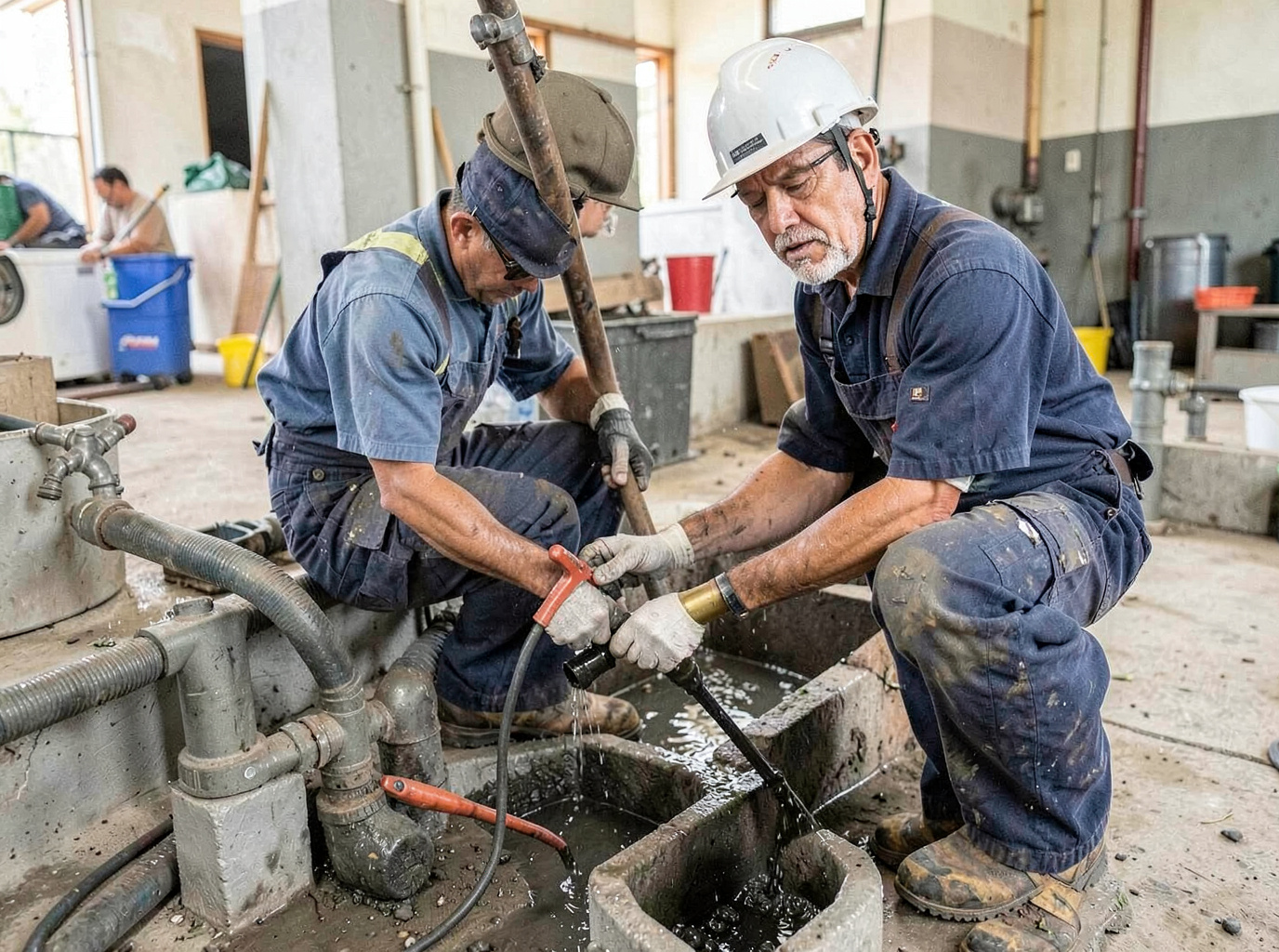
Drain Cleaning in San Antonio Done Right
Slow drains rarely fix themselves. In San Antonio, a sink that drains a little slower each week is usually telling you that something is building up inside the pipe, whether that is grease, hair, soap scum or roots working into a joint. Our drain cleaning service is built around finding out exactly what is causing the blockage before we start clearing it. Homes in Alamo Heights, King William, Southtown and Downtown each deal with drains in their own way, and we plan the work around the specific house in front of us.
Why Choose Us for Drain Cleaning
We focus on drain work and nothing else on this page, which means the crew coming to your home is thinking about your drain line, your cleanout and your fixtures. We explain what we found in writing before any work begins, so you know the cause, the location of the blockage and the approach we plan to take. Once the line is clear, we walk you through the old and new condition of the pipe and the fixture connections, so you can see the difference for yourself. Our approach is straightforward: inspect, explain, clear, verify.
Signs of Trouble and Why to Act Now
A single slow sink is easy to ignore, but a pattern usually means the problem is moving deeper into the system. Watch for water that backs up when you run another fixture, gurgling from a floor drain or toilet when a shower runs, a sour smell near a drain, or wet spots in the yard along the sewer path. Older homes near the central core, including many in King William, often have aging cast iron or clay sewer lines, and in Bexar County mature trees can send roots into those joints over time. Acting early usually means a smaller, cleaner job than waiting until the line stops draining altogether.
Our Drain Cleaning Process
Every visit starts with listening. We ask which drains are slow, when the problem started, and whether it affects one fixture or several. From there we look at the cleanout, test how water moves through the line, and use a camera when the blockage location is unclear. We then write up what we found and what we recommend. Only after you have that written summary do we begin clearing the line, using the method that fits the blockage, whether that is a mechanical auger, a hydro jet for grease buildup or a targeted cleanout of a single fixture trap. Finally, we run water through every affected drain, check for proper flow, and show you the old and new condition of the parts we worked on.
Parts and Components in a Drain Line
A household drain is a chain of parts, and a blockage can sit in any one of them. The fixture drain connects the sink, tub or shower to the trap, and it is where hair and soap typically collect. The P-trap is the curved section beneath the fixture that holds water to block sewer gases; it is also where many clogs first form. The branch drain carries wastewater from several fixtures toward the main, and the cleanout is an access point that lets us reach the line without tearing into walls. The building drain and sewer lateral run from the house out to the city or private connection, and they are the most common location for root intrusion and sagging joints. The vent stack, which runs up through the roof, keeps air moving so water can drain smoothly. Knowing which part is involved is what separates a quick clearing from a repeat call.
What Affects Drain Cleaning Here
Hard water and hot summers in San Antonio mean soap scum and mineral deposits can accumulate inside drain walls faster than many homeowners expect. Mild winters keep many lines in use year-round, so grease from kitchens has less chance to solidify and move through on its own. These local conditions shape the method we recommend, and they are part of what we explain in the written summary before work begins.
Technician insight
In San Antonio, the thing that catches most people out with Drain Cleaning is assuming a slow kitchen sink is a kitchen problem. In older homes around King William and the central core, the shared branch line often picks up grease from one sink and hair from a shower, and the clog sits farther down the line than the fixture suggests. Hot summers also dry out and harden soap scum inside the pipe walls, so a drain that drained fine in spring can start slowing in August. We look at the whole system before we clear anything.
Slow Drains in an Older Home Near King William
A homeowner in the King William area reported that the kitchen sink and a downstairs shower were both draining slowly, with a faint sewer smell near the floor drain. Our inspection found grease and soap buildup in the shared branch line, with the blockage sitting downstream of both fixtures. We explained the cause and our plan in writing, then cleared the branch line and checked flow at both fixtures. Afterward we walked the homeowner through the cleared pipe condition and the cleanout access point for future service.
Drain Cleaning Services We Offer
✓Main Sewer Line Cleaning
Clears the main line that carries all household wastewater out to the street connection, so multiple drains stop backing up at once. Restores full flow to the whole house, not just one fixture.
✓Kitchen Drain Clearing
Removes grease, food debris and soap buildup from kitchen sink drains and branch lines. Helps prevent the sour smell and slow draining that build up when grease coats the pipe walls.
✓Shower and Tub Drain Clearing
Pulls out hair, soap scum and mineral buildup from shower and tub drains and traps. Gets water moving freely again so standing water and odors stop.
✓Cleanout Access and Line Snaking
Opens and uses the cleanout to reach blockages without tearing into finished walls or floors. Lets us clear the line from the most direct access point available in your home.
✓Sewer Line Camera Inspection
Uses a camera to see inside the pipe and locate roots, sags, cracks or buildup before we start clearing. Gives you a clear picture of the line's condition for your records.
✓Hydro Jetting for Grease and Scale
Uses high-pressure water to scour grease, scale and root fragments from pipe walls. Helps stubborn buildup come out so the line stays clean for longer.
✓Floor Drain and Vent Stack Clearing
Clears blocked floor drains and checks the vent stack for obstructions that slow drainage. Restores proper airflow so your drains empty smoothly and quietly.
How it works
- 1
Listen and Inspect
We ask which drains are slow, when the problem started, and whether it affects one fixture or several. We then check the cleanout and test how water moves through the line.
- 2
Camera Check When Needed
If the blockage location is unclear or you have had repeat backups, we inspect the line with a camera to find roots, sags, cracks or buildup. You see what we see.
- 3
Written Findings Before Work Starts
We put the cause, the location and our recommended method in writing. You review it before we begin clearing so you know exactly what we plan to do.
- 4
Clear the Line
We use the method that fits the blockage, whether that is mechanical clearing, a targeted fixture trap cleaning or hydro jetting for grease and scale.
- 5
Verify Flow and Walk Through the Results
We run water through every affected drain, confirm proper flow, and walk you through the old and new condition of the parts we worked on.
Pricing
Every drain job starts with a written explanation of the cause and the planned approach, so you can weigh the scope before any work begins. Final details depend on the blockage, access and line condition we find.